A little over a month after announcing PepVoid, Peppermint OS has released its first Void Linux-based edition, introducing a rolling-release alternative to the project’s Debian and Devuan offerings.
The new edition amounts to a significant departure from Peppermint’s traditional technical foundation. Unlike Debian, Void Linux follows a rolling-release development model, uses its own XBPS package manager, and relies on runit rather than systemd for service management.
Powered by the Linux kernel 6.18 LTS, the initial release retains the familiar Xfce desktop environment and comes as a Loaded edition, featuring a selection of preinstalled applications and utilities.
The installation image is around 4 GB. Users who prefer a minimal installation will have to wait for the upcoming Flagship edition, which will include fewer preinstalled applications.
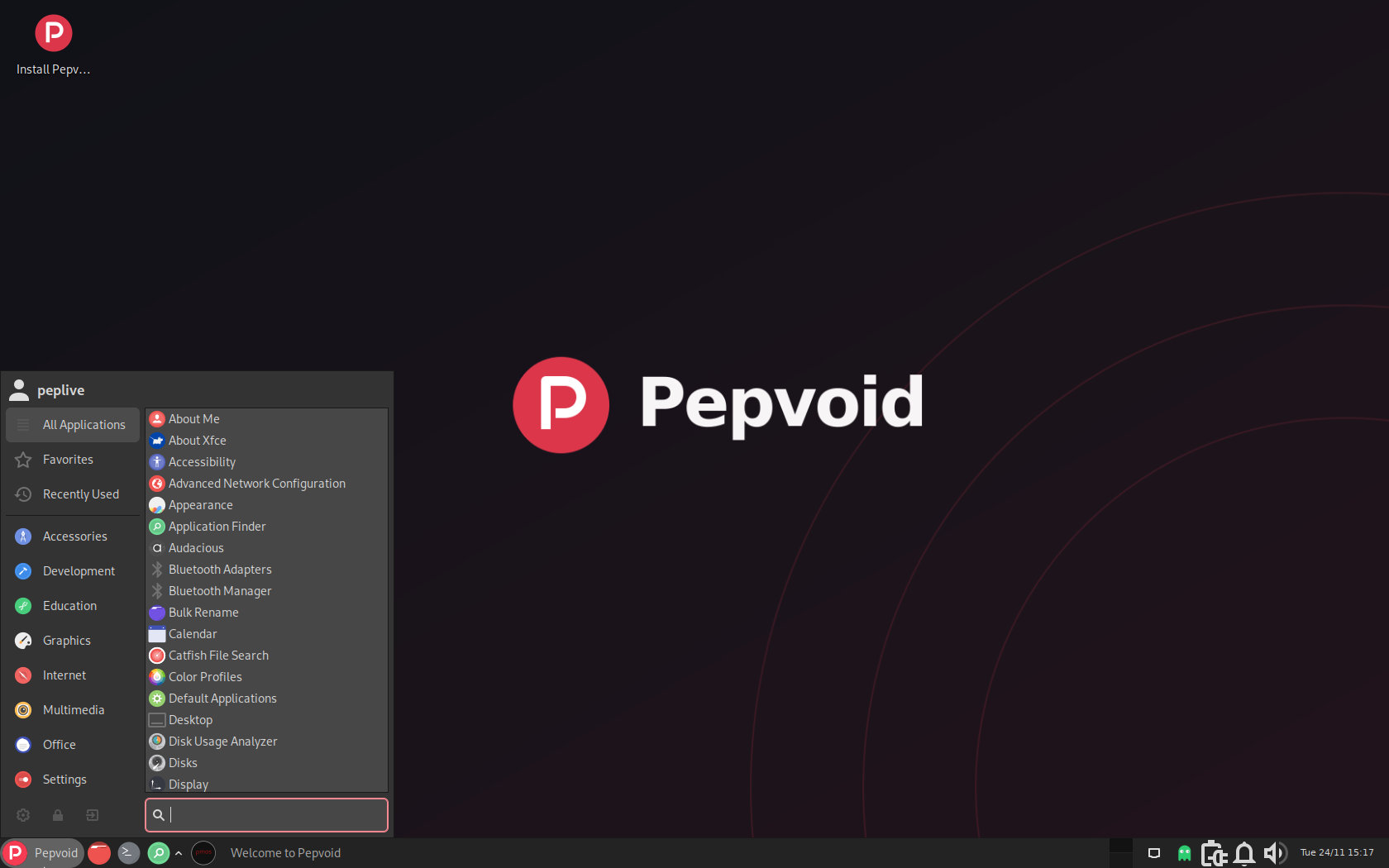
The release ships with Firefox for web browsing, Thunderbird for email, FileZilla for file transfers, HexChat for IRC communication, and Transmission for BitTorrent downloads. Multimedia applications include VLC and Audacious, while office and productivity needs are covered by the full LibreOffice suite. Geany is also included for text editing and software development.
Importantly, like its Debian and Devuan counterparts, Peppermint OS Void uses XLibre as its display server.
Moreover, the developers built their own ISO creation tool after finding that Void Linux’s existing void-mklive utilities did not meet the project’s requirements. Documentation for the new build tool is publicly available, allowing others to create customized Void-based installation images.
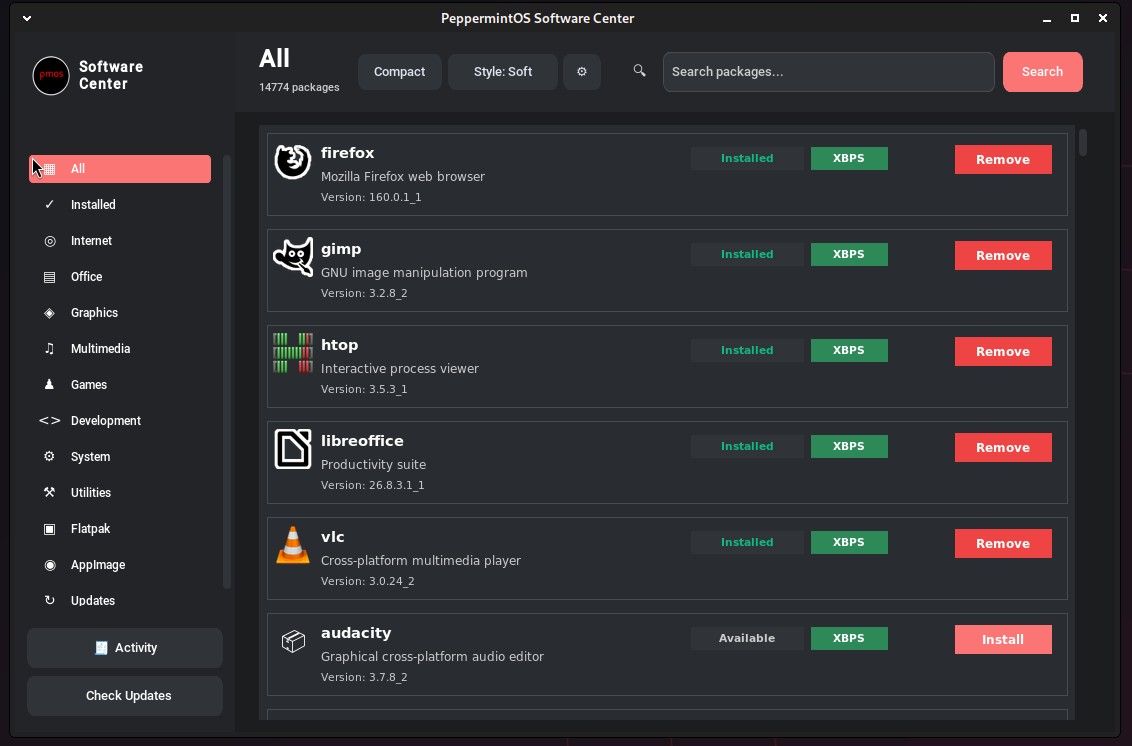
Peppermint OS Void also introduces the new Peppermint Software Center, updated graphical interfaces for its collection of system management utilities, and an improved version of PepFetch, the distribution’s own system information tool.
Finally, the developers emphasize that introducing a Void-based edition does not signal a move away from Debian or Devuan. Instead, the intention is to give users another choice while making Void Linux more accessible to a larger audience.
For more information, see the release announcement. The installation ISO is available from the project’s download page.