

In a blog post on April 8, Solus stated it has no plans to implement age verification, joining other Linux distributions in clarifying its position as regulatory pressure increases.
The statement is brief and direct. Solus notes the issue is global, with a complex mix of proposed laws, varying requirements, and enforcement methods. It remains unclear which proposals will become law, how they will be enforced, or whether they will impact Solus and other Linux-based systems.
“We are aware of the ongoing discussions surrounding age verification laws. Privacy and user experience remain our priorities. We have no plans to implement age verification and will continue to monitor the situation.“
Instead of addressing technical or legal specifics, Solus emphasized transparency and community, reaffirming that user experience is its priority and that it will continue to monitor developments. No next steps were outlined.
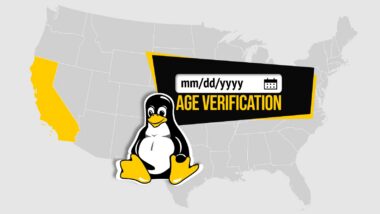
The post follows earlier discussions on the Solus forum, where community members expressed concerns about laws like California’s AB 1043 and similar proposals in the Linux ecosystem.
During those discussions, Solus developer Clint Eschberger argued that the main issue is not technical changes, but the laws themselves. He noted that if such laws expand and are enforced, users of unsupported systems may lose access to certain services.
Of course, Solus is not alone in its stance. Zorin OS has stated it will not introduce mandatory age or ID verification, and Garuda Linux will not implement age verification under its current legal jurisdictions.
MX Linux and Parrot Linux have also rejected age verification. MX Linux has no plans to adopt it, while Parrot Linux considers it a privacy violation and has formally opposed it.
In contrast, Ubuntu is reviewing California’s law with legal counsel and has no current implementation plans. Debian has also taken a similar cautious approach; Project Leader Andreas Tille stated the project has not decided on age-verification compliance and is awaiting legal analysis.
So, at the end, for Solus users, the main takeaway is clear: age verification is not planned, but the project may reassess as legal requirements evolve.




When the so-called “age verification” system is hacked, and it will be (everything else is), it will put a big sign above every device a child is using, so the predators know where they are. Then we will have given up our precious freedom for nothing.
No need to hack anything: the system is supposed to “broadcast” your age or age bracket so any website can know it.
That’s my biggest concern with these laws.
This is one of the reasons I chose Solus after trying all of the popular distros that people moving from WIndows use. I spent month+ on several others, but then kept seeing a guy on BlueSky posting about Solus (who is now part of Solus) and started looking into them, their community, and how the team behind it treat people. They truly care about the community and will not just go off and do something that goes against their core values.I trust them and that is not something that is easy to earn from me when it comes to software and especially and operating system.