
antiX 26 has been released, bringing a new version of the lightweight, systemd-free Linux distribution based on Debian 13 “Trixie.”
The first thing that immediately stands out is that this release offers five init systems, giving users a level of choice rarely seen in modern Linux distributions: runit, SysVinit, dinit, s6-rc, and s6-66, with runit being the default.
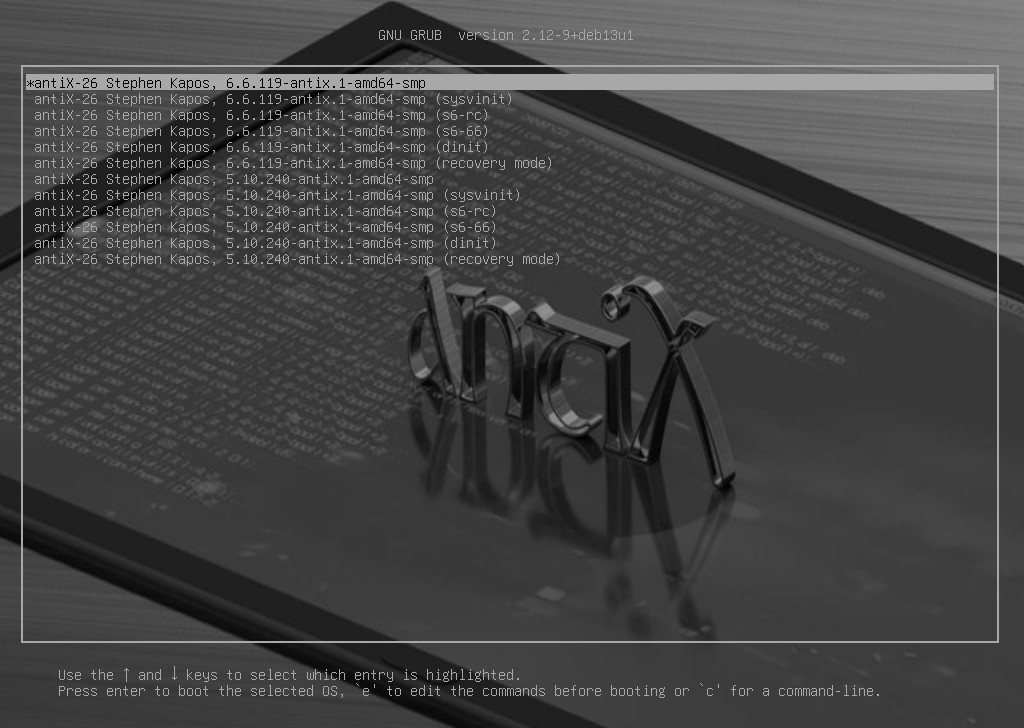
As expected, antiX 26 stays true to its systemd-free philosophy. It ships without systemd, elogind, Flatpak, or Snap, relying on alternatives such as eudev. The distro is available in two main variants: a full edition of about 2 GB and a smaller core edition around 660 MB.
Both are offered for 64-bit and 32-bit systems. The full version includes more preinstalled applications, while the core edition provides a minimal base for customization.
The desktop experience remains lightweight, built around window managers instead of full desktop environments. IceWM is the default, with Fluxbox, JWM, and the tiling window manager herbstluftwm also available.
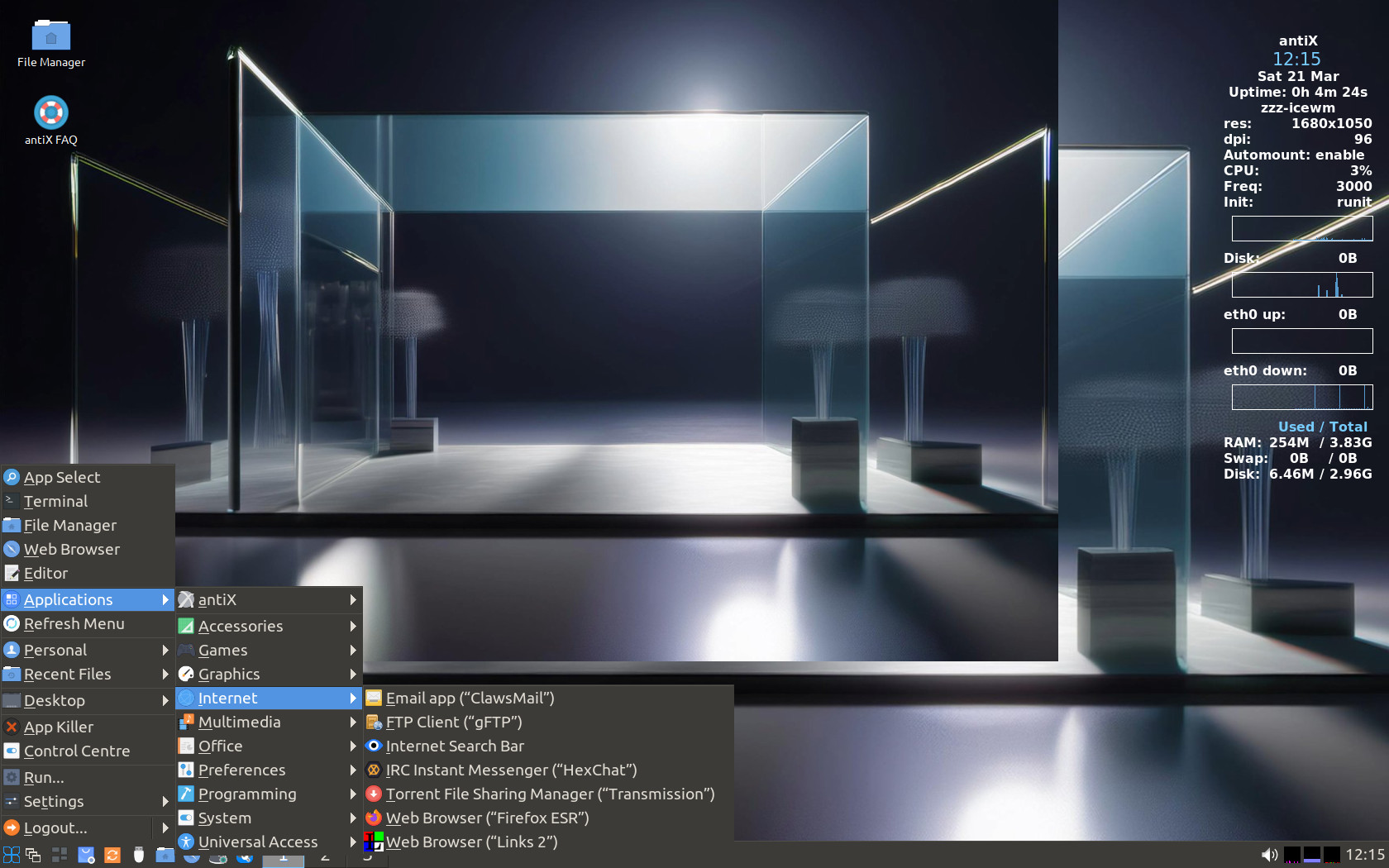
Under the hood, antiX 26 includes customized Linux kernel options. A 5.10 LTS kernel is available alongside a newer 6.6 kernel for 64-bit systems. The distribution integrates PipeWire and WirePlumber by default on 64-bit full installations, while 32-bit systems continue using ALSA for audio support.
The software selection covers everyday needs while staying resource-efficient. Users get LibreOffice, Firefox ESR, Claws Mail, and multimedia tools such as MPV, Celluloid, and XMMS.
antiX 26 also includes a bunch of its in-house tools and scripts. The release ships the antiX Control Centre, snapshot and remastering tools, and utilities for managing network shares, backups, and system configuration. Additional tools like antiX Radio, antiX TV, and Finder extend functionality without adding significant overhead.
Finally, command-line users are also well served, with applications like newsboat, irssi, mocp, and rtorrent included out of the box. The distribution also provides specialized tools for remote access, voice communication, and SSH-based resource sharing via its repositories.
For more details, see the announcement. ISO images are available for download here.



I’m one of the moderators at the antiX Forum, a volunteer, just like everyone that participates in development or testing. A couple of people, including anticapitalista, the founder of antiX, have jobs in the education sector. A large percentage of people who participate have done so for years, so though we still have a wide range of participants from many countries and continents, we have a pretty good sized group who are now retired, but were in the work force at the time antiX was formed – I am in that group.
I originally grabbed antiX because I had become interested in running systems straight from CD or DVD. Of course those days are long gone, but now I can run antiX Live from USB Flash Drive – sticks or thumb drives, and I do have a few older CDs and DVDs, a couple of them, believe it or not, still work on a system that has that interface available.
As for the latest release, it’s grown a bit, but it’s still quite nimble, particularly if you use it on 3-5 year old hardware. The only NEW systems where it won’t work are those who have brand new device drivers; that’s because the newest available kernel is 6.6.119. If the new hardware uses the same drivers as older hardware then it’ll work, OR you have to get creative to add a newer kernel. I’ve done this in the past by initially loading the software on an older system, install a newer kernel, then create either an ISO Snapshot or a live-remaster with the new kernel, so even “problems” like that are easily resolved provided you have access to old and new hardware.
It’s the tools, such as the two described, that led me to antiX, plus the ability to run completely from removable drives. Ironically I usually run antiX installed these days, but I DO, multiple times per release, create these extra images because they double as back-up devices – genius!
Good timing to announce a release based on non-systemd init systems, as SystemD is currently getting really bad press over their overreaching on the age verification tool. 😅
Time to switch, there are great distros like antiX, Void, Devuan, Artix, etc…