Woodpecker CI, the open-source CI/CD engine for automating builds, tests, and deployments, enabling developers to define pipelines that automatically run on code changes, has released version 3.16.
A key feature is the new workflow concurrency limit, which allows administrators and project maintainers to control how many workflows run simultaneously, which is especially useful for busy instances where multiple pipelines compete for shared resources.
The release also adds Unix socket support, increasing flexibility for deployment and integration, particularly in environments that prefer local service communication via Unix sockets rather than network-exposed endpoints.
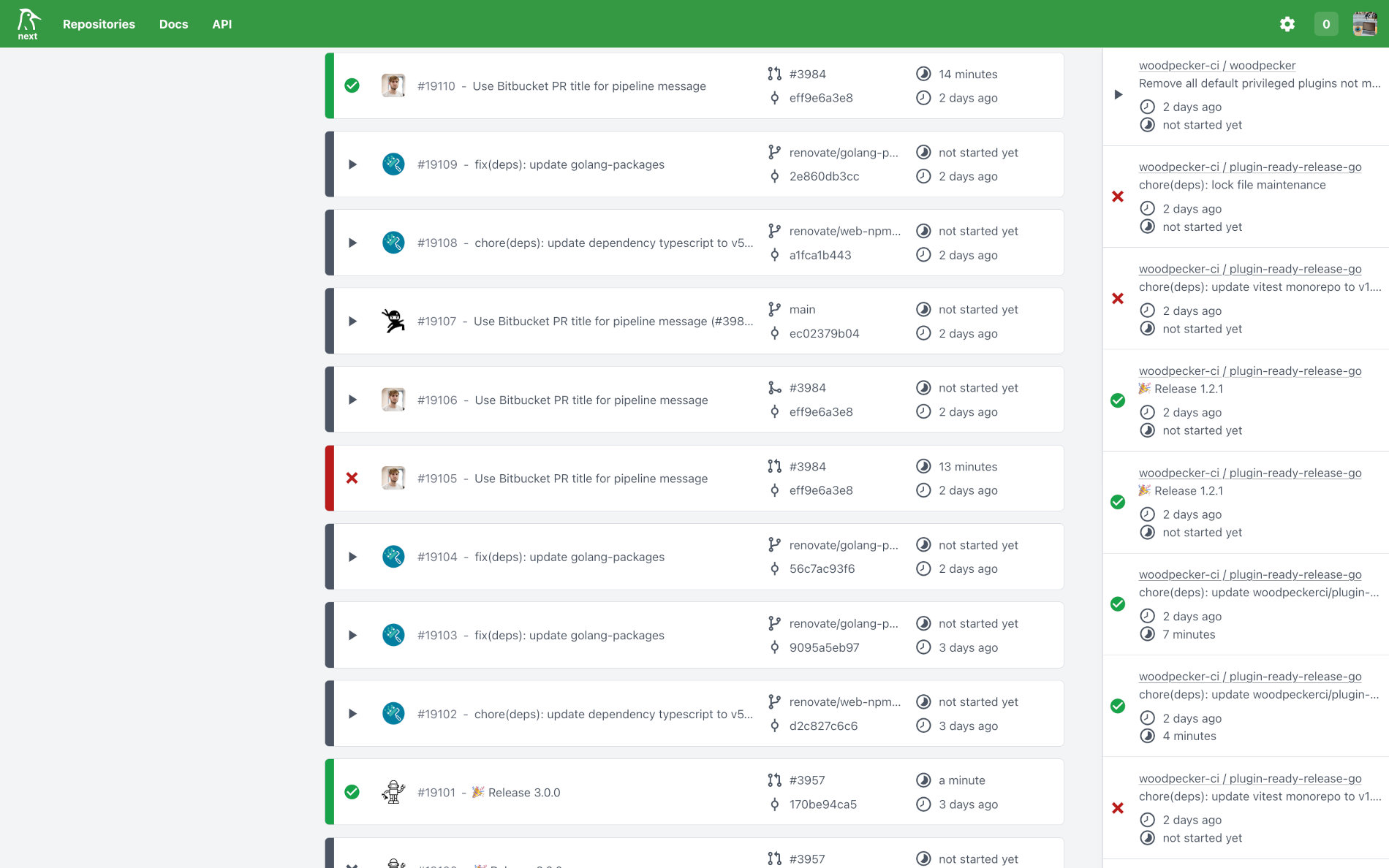
For observability, Woodpecker CI 3.16 introduces new Prometheus metrics for pipeline step durations and failures, providing greater visibility into step performance and failure points and making it easier to identify slow jobs, recurring issues, or performance regressions.
This release includes several enhancements for Kubernetes users as well. Woodpecker CI 3.16 adds user namespace support and allows the use of a custom image when precreating the working directory as a non-root user. It also resolves issues with deeply nested Kubernetes backend options and improves WaitStep retry handling when a container’s terminated state is pending.
On the security side, the release strengthens agent RPC handling by verifying agent IDs on workflows and restricts the Kubernetes serviceAccountName backend step configuration to the agent configuration.
Beyond that, Woodpecker CI 3.16.0 adds a new CI_COMMIT_PULL_REQUEST_DRAFT environment variable, along with commit timestamp environment variables. Plus, woodpecker-cli exec can now auto-detect a single workflow test in multi-workflow setups. Additionally, each workflow now receives a unique prefix during CLI execution, reducing confusion when testing pipelines locally.
Other enhancements include configurable log entry buffers for agents, improved handling of slow user authorization with many organizations or repositories, clearer errors when step dependencies are filtered by conditions, and surfaced .env load errors. Moreover, the server can now move pipeline parsing to the background when pipeline creation is slow.
Bug fixes address several areas, including support for SHA256 values in secret images for image pinning, removal of stale queue tasks missing from the database, ignoring missing agents in the server queue API, improved local backend process termination on Windows, and prevention of GitHub integration failures on force-push events.
For additional details, see the changelog.
Image credits: Woodpecker CI Project