
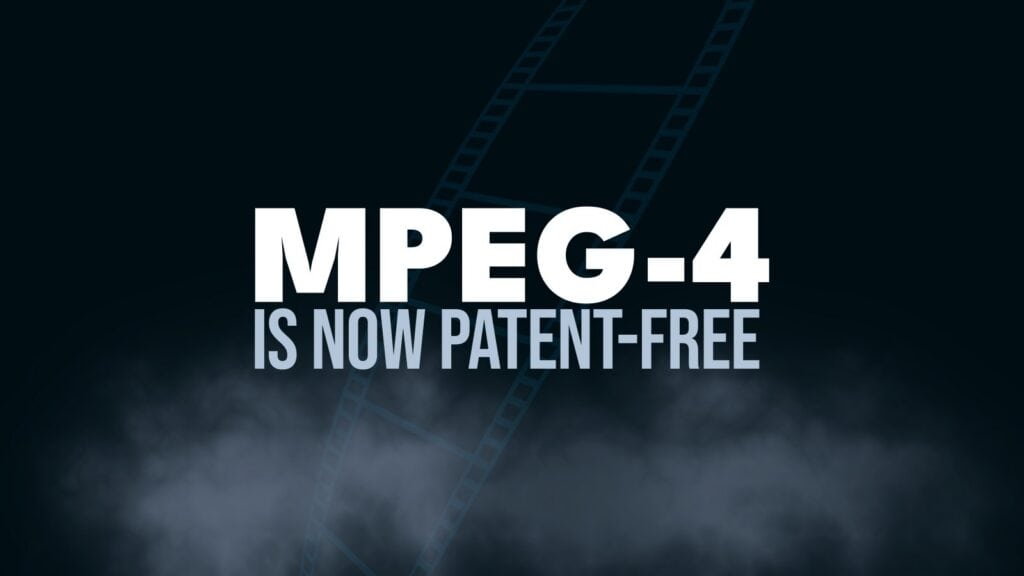
MPEG-4 Part 2, the video compression standard best known through DivX and Xvid, has reached the end of its known patent-licensing era, eliminating a long-standing legal barrier for one of the most recognizable early digital video formats. The patent was granted with a ten-year validity term starting on July 19, 2016, which ended on July 19, 2026.
As a result, developers, Linux distributions, multimedia projects, and device manufacturers can now support MPEG-4 Part 2 without paying the patent royalties previously required by the MPEG-4 Visual licensing portfolio.
But for ordinary Linux users, there will probably be no immediate or visible change. Applications such as VLC and FFmpeg have supported DivX, Xvid, and other MPEG-4 Part 2 video for many years. Old AVI files will not suddenly play better, and users are unlikely to receive a new codec package solely because the remaining patent restrictions have ended.
The real impact, however, is on software distribution and product development. Until now, companies shipping products with MPEG-4 Part 2 encoding or decoding capabilities potentially had to consider the Via Licensing Alliance patent portfolio and its royalty requirements.
Now that the known portfolio patents have expired, developers and manufacturers no longer need to consider MPEG-4 Visual pool royalties when supporting the standard.
This change is especially relevant for smaller software vendors, open-source projects in commercial products, embedded Linux developers, video conversion services, surveillance systems, and manufacturers maintaining compatibility with older media libraries.
Moreover, Linux distributions with strict policies on patented multimedia technologies may now have less reason to restrict MPEG-4 Part 2 components or place them in separate repositories.
The expiration is also good news for digital preservation. Large collections of videos from the 2000s remain encoded with DivX, Xvid, or related MPEG-4 Part 2 formats. Software and hardware can now support these files without uncertainty over the former patent pool.
It is important, however, not to confuse MPEG-4 Part 2 with modern MP4 video in general. MP4 is a container format that can hold video compressed with various codecs. Most MP4 files created today use H.264 (which is formally MPEG-4 Part 10, also known as AVC), not MPEG-4 Part 2, a separate standard that remains covered by its own active patent licensing program.
In other words, the end of MPEG-4 Part 2 patent restrictions does not make H.264 patent-free. It also does not affect HEVC/H.265, VVC/H.266, AAC audio, or other MPEG technologies.
Similarly, not all products with the DivX name are free of intellectual property restrictions. DivX is a commercial brand and a registered trademark. This change only affects patents covering the MPEG-4 Visual standard, not trademarks or proprietary software from individual companies.
In any case, however, this is a milestone worth celebrating across the open-source community. After ten years in force, the final known MPEG-4 Visual patent has expired, closing the book on a long-running licensing burden around the MPEG-4 Part 2 standard widely used during the DivX and Xvid era.
Update: DivX has clarified that the expired patents belonged to the third-party MPEG-4 Part 2 patent pool, not DivX itself. DivX maintains its own patent portfolio covering proprietary technologies, while the DivX name remains a registered trademark. The expiration therefore removes the remaining patent licensing requirements associated with the MPEG-4 Part 2 patent pool, but does not affect DivX’s own patents or trademark rights.

And when are patents on H.264, H.265 and H.266 going to expire?