Five months after the previous 7.6 release, Linux Lite, a lightweight and user-friendly distribution betting on the Xfce desktop environment, rolls out version 7.8, based on Ubuntu 24.04.3 LTS.
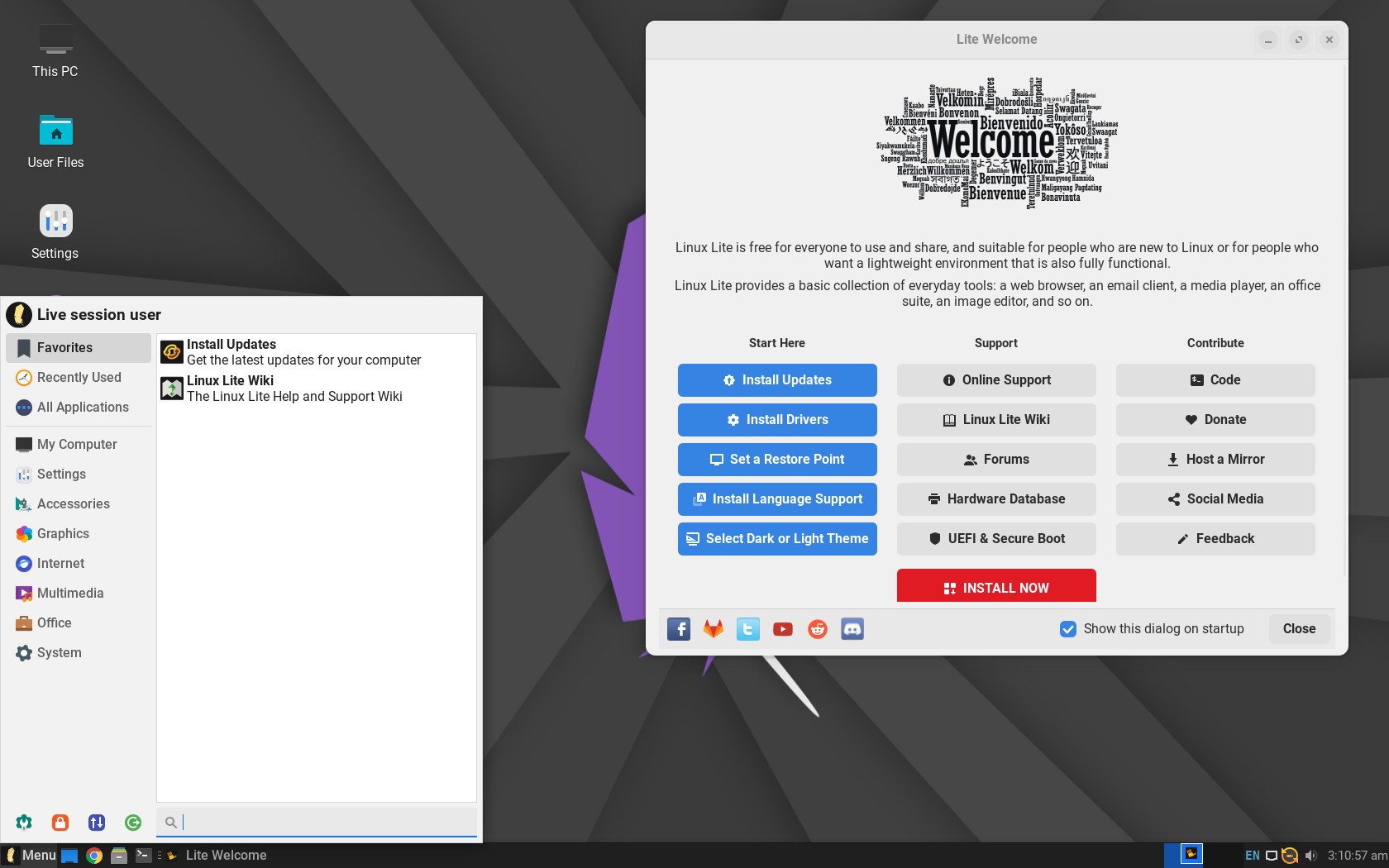
The most significant change is the complete rewrite of 12 in-house applications as the project transitions its software stack toward Python and GTK4. The updated tools include Lite Auto Login, Lite Desktop, Lite DPI, Lite Firewall, Lite Network Shares, Lite Software, Lite Sounds, Lite Sources, Lite System Report, Lite Theme Manager, Lite Updates, Lite User Manager, and Lite Welcome.
On top of that, the software manager now includes more than 20 additional popular applications, expanding the default catalog with tools such as BleachBit, Darktable, KDE Connect, Kdenlive, and Stacer.
System Monitoring Center has also been updated. The System tab now exposes more detailed system information, improving visibility into hardware and runtime status.
Visually, Linux Lite 7.8 continues to use the Materia window theme, the Papirus icon theme, and the Roboto Regular font, maintaining a familiar appearance consistent with previous releases. On the firmware side, UEFI systems are supported, while Secure Boot remains optional and disabled by default.
Under the hood, the distro is powered by Linux kernel 6.8. The project repository also provides optional custom kernels from 3.13 to 6.18. Included application versions feature Chrome 144, Thunderbird 140.7, LibreOffice 25.8.4, VLC 3.0.20, and GIMP 2.10.36.
The developers note that there is no upgrade path to or from release candidate builds, which are intended strictly for testing. Any known issues are being tracked through the project’s forums.
Refer to the announcement for detailed information about all changes. The Linux Lite 7.8 installation ISO image (3 GB) is now available for download from SourceForge’s mirrors.
Lastly, as you might expect, the distro keeps its hardware requirements modest: a dual-core CPU at 1.5 GHz, 4 GB of RAM, and at least 40 GB of disk space are recommended.